
How to choose suitable chromite sand for foundry
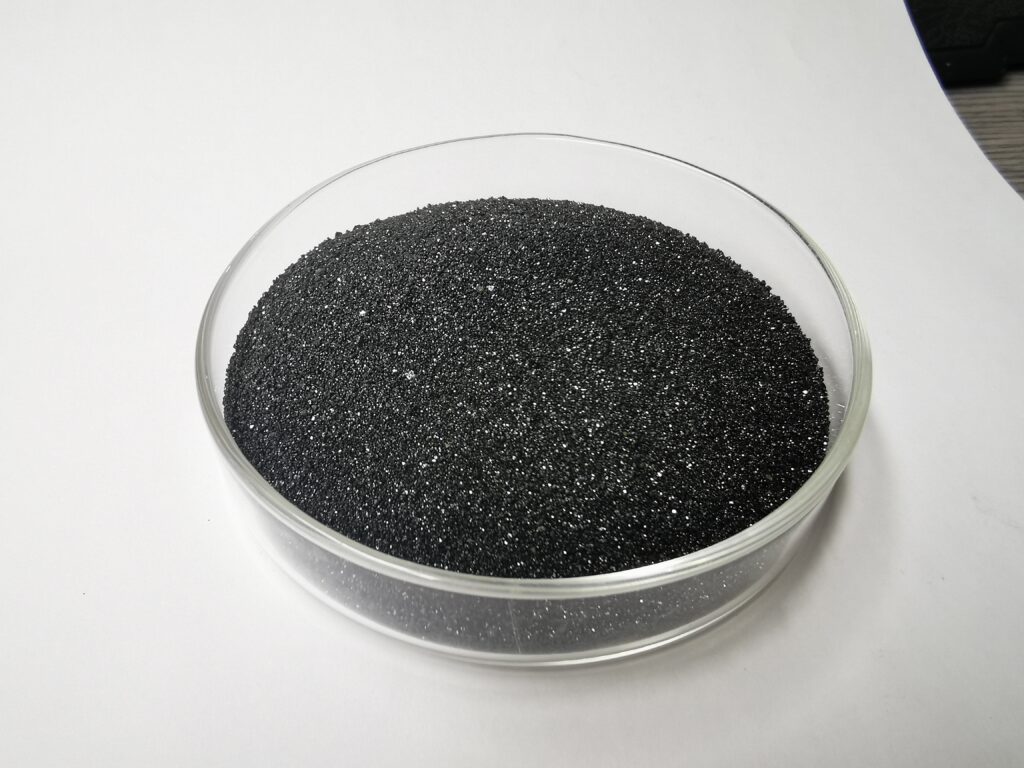
Chromite sand is mainly used for steel castings, high-alloy castings, hot spots, facing sand and core sand, to resist burn-on, metal penetration and veining defects. Selection follows chemical index, grain size, grain shape, binder compatibility and casting application.
1.Chemical composition
- Cr₂O₃ ≥ 46%: Higher chromium oxide means better refractoriness and chemical stability; typical fusion point ≥1800℃
- SiO₂ ≤ 1.1%: Low silica is critical. High silica will react with basic molten steel and cause sintering / burn-on
- CaO ≤ 0.5%: High CaO raises acid demand value (ADV), disturbs acid-cured binders (furan resin)
- FeO ≤ 27%, Al₂O₃ ≤16.5%, MgO ≤12%
- Moisture ≤0.2%, LOI ≤0.5%, clay content ≤0.5%: Excess moisture and fines lead to gas defects and poor flowability
- pH: 6.5–8.0, stable ADV: Match your binder system
2. Select grain size / AFS GFN according to casting
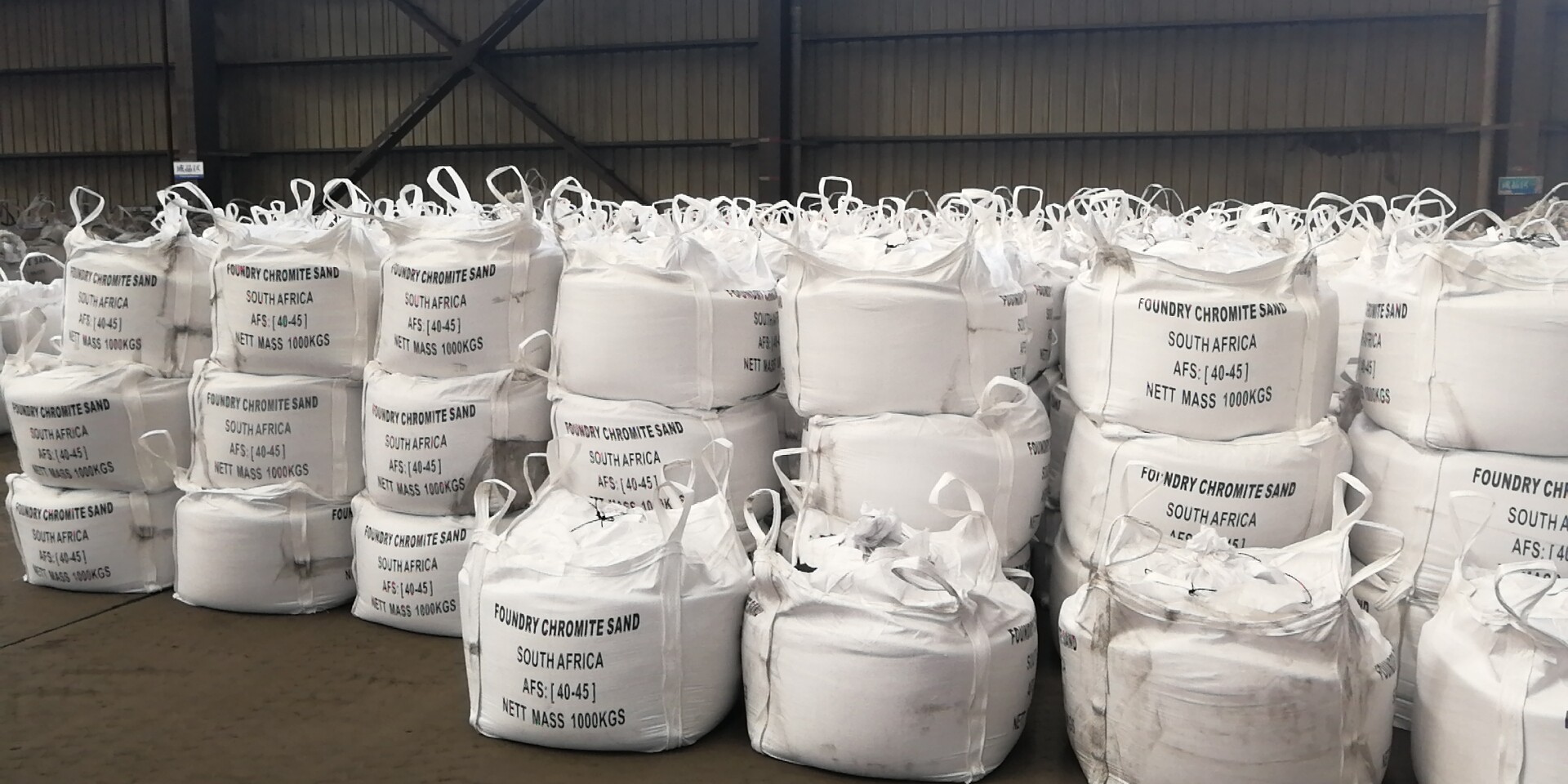
- 40–70 mesh / AFS 45–55 (standard grade): Most widely used for carbon steel, alloy steel, medium-wall castings, facing sand and normal cores. Balance permeability, compactness and surface finish
- Coarser (20–40 mesh): Thick-section, heavy steel castings, high gas permeability requirement, strong chilling effect
- Finer (50–100 /70–140 mesh): Thin-wall, precision casting, high surface finish requirement, coated sand
- Chromite flour (200–325 mesh): For casting coating refractory aggregate
3. Grain shape and physical properties
- Preferred: sub-angular grains, not sharp angular or fully rounded
- Sub-angular grains get good compact strength while keeping proper permeability; too round reduces mould strength; sharp grains increase expansion risk and veining
- Low thermal expansion: This is the main advantage over silica sand to eliminate veining and finning at hot corners
- Good chilling capacity: High thermal conductivity, can partly replace external chill
4. Match your casting alloy & process
- Carbon steel, stainless steel, Mn steel, high Cr alloy: Best fit for chromite sand; it resists reaction with basic slag and MnO
- Process type:
- Furan no-bake: Strictly control ADV, CaO and pH
- Alkaline phenolic / ester cured: Wider tolerance on ADV
- Coated sand: Fine, low-fines chromite sand with stable thermal behaviour
- Usage position: Usually applied only as facing sand on hot zones or critical cores (not full mould sand for cost control)
5. Practical selection steps
- Define your alloy, pouring temperature, wall thickness, defect target (burn-on / veining / penetration)
- Specify chemical limits + AFS grain range to supplier, require batch COA
- Small trial first: Test surface quality, cleaning, gas defect, binder consumption, sand reclamation performance
- Check consistency between batches: Avoid big fluctuation of Cr₂O₃, grain distribution and ADV
- Balance cost: Do not over-specify high-grade fine sand for ordinary thick castings